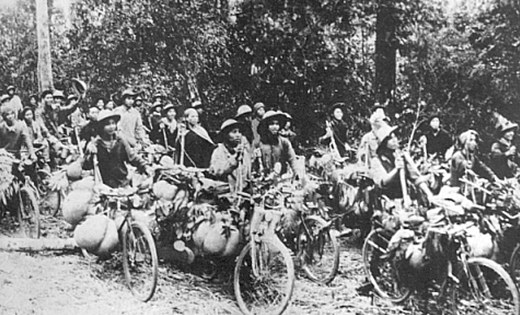
To serve the campaign in a timely manner, an unprecedentedly large force of civilian porters, from the lowlands to the highlands and from the free zones to the temporarily occupied areas, temporarily set aside their household duties and set out in groups and teams. With carrying baskets, carrying poles, pack bicycles, boats, mules, horses, and even pack elephants... they brought food, weapons, rice, salt, dry provisions, and water pipe tobacco... heading up to Tây Bắc34.
Để phục vụ kịp thời cho chiến dịch, một lực lượng dân công lớn chưa từng thấy, từ miền xuôi đến miền ngược, từ vùng tự do đến vùng tạm bị chiếm, tạm gác việc nhà, ra đi thành đoàn thành đội, với quang sọt, đòn gánh, xe đạp thồ, thuyền, lừa ngựa và cả voi thồ... mang theo lương thực, vũ khí, gạo muối, lương khô, thuốc lào... hướng lên Tây Bắc34.
Newly equipped with weapons from the Soviet Union and China, especially the introduction of artillery, and having just undergone political study sessions to raise their morale, the units of the Vietnam People's Army were highly confident in achieving a rapid victory. On the other hand, the logistical pressure brought on by the approaching rainy season also pointed towards a plan for a massive offensive to secure a quick victory.
Được trang bị thêm vũ khí của Liên Xô và Trung Quốc, đặc biệt là sự xuất hiện của pháo binh, lại vừa trải qua các đợt học tập chính trị, nâng cao tinh thần, các đơn vị bộ đội của quân đội Nhân dân Việt Nam rất tự tin sẽ dành thắng lợi nhanh chóng. Mặt khác, sức ép của công tác hậu cần khi mùa mưa đến cũng hướng đến một kế hoạch tiến công ồ ạt để giành thắng lợi nhanh chóng.
In early December 1953, the Politburo of the Vietnam Workers' Party decided to launch the offensive campaign. A plan to rapidly destroy the Điện Biên Phủ fortified complex within 3 days and nights had been drawn up by the General Staff with the unanimous agreement of the Chinese military advisory group. In the frontline Party Committee meeting on January 12, 1954, Head of Logistics Đặng Kim Giang stated: "Fighting according to this option eases the worry of supply. We have calculated that the Điện Biên Phủ area requires up to 50 tons of rice for one day of combat. If calculated from Sơn La upwards, 90 tons of rice are needed every day for both troops and civilian porters. That is only speaking of rice, not to mention ammunition and medicines. Currently, the enemy has heavily bombarded the sole supply route from Cò Nòi up to Điện Biên Phủ. If the fighting is prolonged, the supply problem will be very difficult to solve24."
Đầu tháng 12 năm 1953, Bộ Chính trị Đảng Lao động Việt Nam quyết định mở chiến dịch tấn công. Kế hoạch tiêu diệt Tập đoàn Điện Biên Phủ nhanh chóng trong 3 ngày đêm đã được Bộ Tổng tham mưu xây dựng với sự nhất trí của đoàn cố vấn quân sự Trung Quốc. Trong cuộc họp Đảng uỷ mặt trận ngày 12 tháng 1 năm 1954, Chủ nhiệm hậu cần Đặng Kim Giang phát biểu: “đánh theo phương án này đỡ lo cung cấp. Chúng tôi đã tính tại khu vực Điện Biên Phủ cần đến 50 tấn gạo cho một ngày chiến đấu. Nếu tính từ Sơn La trở lên mỗi ngày cần tới 90 tấn gạo cho cả bộ đội và dân công. Đó là mới nói gạo chưa kể đạn dược và thuốc men. Hiện nay địch đã đánh phá mạnh tuyến đường tiếp tế độc đạo từ Cò Nòi lên Điện Biên Phủ. Nếu đánh kéo dài, vấn đề cung cấp rất khó giải quyết24.”
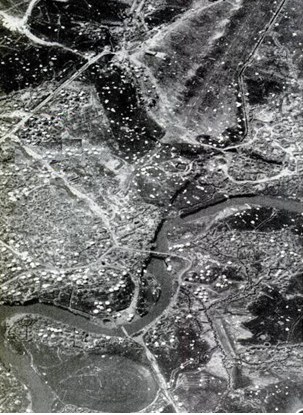
To serve this offensive plan, the logistics branch had just over 1 month, from mid-December 1953 to January 20, 1954, to prepare the battlefield according to the motto: "strike swiftly, resolve swiftly"8. The Campaign Supply Council was responsible for directing civilian porters to transport weapons, ammunition, fuel... and hand them over to the General Department of Frontline Supply. Deliveries from the direction of Việt Bắc were made at Ba Khe, while those from the direction of Inter-Region 3 and Inter-Region 4 were made at Suối Rút. The General Department of Frontline Supply transported these further to the front and organized reserve depots around Sơn La town, alongside intermediate depots from Km 31 to Km 87 on the Tuần Giáo - Điện Biên Phủ road. The storage depots, situated inside rocky caves and tunnels dug into the mountain faces, were carefully constructed and camouflaged7.
Để phục vụ cho kế hoạch tấn công này, ngành hậu cần chỉ có hơn 1 tháng từ trung tuần tháng 12 năm 1953 đến 20 tháng 1 năm 1954 để chuẩn bị chiến trường theo phương trâm: “đánh nhanh, giải quyết nhanh”8. Hội đồng Cung cấp chiến dịch có trách nhiệm đưa dân công chuyển chuyển vũ khí đạn dược, xăng dầu... giao cho Tổng cục Cung cấp tiền phương. Hướng từ Việt Bắc giao ở Ba Khe, hướng từ Liên khu 3, Liên khu 4 giao ở Suối Rút. Tổng cục Cung cấp tiền phương vận chuyển tiếp lên mặt trận và tổ chức các kho dự trữ quanh thị xã Sơn La, các kho trung tuyến từ Km 31 đến Km 87 đường Tuần Giáo - Điện Biên Phủ. Các kho hàng nằm trong hang đá, hầm đào vào vách núi, được xây dựng và ngụy trang cẩn thận7.
To feed a total troop strength of about 35,000 people during an estimated combat period of 45 days, it was projected to supply the campaign with 9,000 tons of goods, of which 85.5% was food and provisions, comprising 7,730 tons of rice, 140 tons of salt and 465 tons of dry provisions5. First of all, the combat units were ordered to proactively self-supply green vegetables and meat. All the divisions 316, 312, 308... launched a movement to forage for wild vegetables, banana flowers, and wild yams, cultivate short-term vegetables in the rear and at the depot stations, and catch fish in rivers and streams. Hundreds of cows were driven alongside the troops for hundreds of kilometers to be turned into cured meat, while bean sprouts also marched on the shoulders of the soldiers2.
Để nuôi tổng quân số khoảng 35.000 người, trong thời gian tác chiến ước độ 45 ngày, dự kiến cần cung cấp cho chiến dịch 9000 tấn hàng trong đó 85,5% là lương thực, thực phẩm, gồm 7730 tấn gạo, 140 tấn muối và 465 tấn thực phẩm khô5. Trước hết, các đơn vị chiến đấu được lệnh chủ động tự túc lấy rau xanh và thịt ăn. Tất cả các đại đoàn 316, 312, 308... đều phát động phong trào kiếm hái rau rừng, hoa chuối, củ mài, trồng rau ngắn ngày ở phía sau và các kho trạm, đánh cá sông, suối. Hàng trăm con bò đưa theo bộ đội hàng trăm cây số để làm thành thịt ướp, giá đỗ cũng hành quân trên vai chiến sĩ2.
Secondly, there was the exploitation of local food and provision sources. The General Department of Frontline Supply advocated the policy: "Actively mobilizing rice on the spot is the main priority, while simultaneously stepping up the transportation of rice from the rear and rearward lines"6, projecting to mobilize more than 6,000 tons of rice right in Tây Bắc and needing to transport only nearly 1,700 additional tons from the rear. Mr. Lò Văn Hạc, the chairman of Lai Châu province, based his working headquarters on the same hill as Mr. Đặng Kim Giang's Logistics Command Post, at the final segment of the supply route, 1-2 km from the command post of the General Commander-in-Chief in Mường Phăng. The local government actively mobilized farmers to contribute military provisions. The Dao ethnic compatriots, growing rice and corn on the high ridges, also volunteered to pay taxes even though they were exempted by the government. Tây Bắc managed to mobilize about 7,300 tons of rice, accounting for up to 50% of the rice consumed by the combat forces. This was a precious local food source because the people were very poor and it saved the army a great deal of transportation effort2.
Thứ hai, là khai thác nguồn lương thực thực phẩm tại chỗ. Tổng cục Cung cấp tiền phương chủ trương “Tích cực huy động gạo tại chỗ là chính, đồng thời đẩy mạnh việc vận chuyển gạo từ hậu phương, các tuyến sau lên”6, dự kiến huy động ngay tại Tây Bắc hơn 6000 tấn gạo và chỉ cần chuyển thêm gần 1700 tấn từ hậu phương lên. Ông Lò Văn Hạc là chủ tịch tỉnh Lai Châu, đóng trụ sở làm việc trên cùng một quả đồi với Sở chỉ huy Hậu cần của ông Đặng Kim Giang, ở đoạn cuối đường tiếp vận, cách sở chỉ huy của đại tướng Tổng tư lệnh ở Mường Phăng 1-2 km. Chính quyền địa phương tích cực vận động nông dân đóng góp quân lương. Đồng bào Dao trồng lúa, ngô trên rẻo cao cũng tình nguyện nộp thuế dù được chính phủ miễn. Tây Bắc đã huy động được khoảng 7.300 tấn gạo, chiếm đến 50% gạo ăn của lực lượng chiến đấu. Đây là nguồn lương tại chỗ quí báu vì dân rất nghèo và quân đội đỡ tốn công sức vận chuyển2.
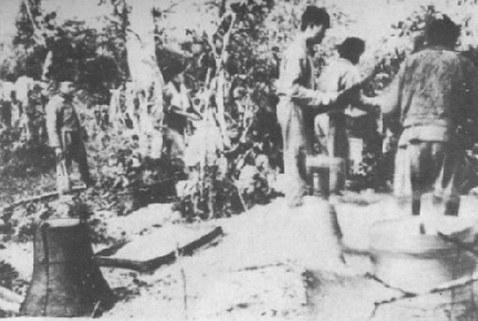
The Điện Biên plain was the main rice granary of Tây Bắc, and it was right at the harvest season. Although they had been entirely herded into Long Nhai village by the French troops, the ethnic compatriots, after harvesting the rice, stacked it in piles left out in the fields so that night after night, the soldiers could come and use it. Historically, the ethnic compatriots only used water-powered rice mortars, pounding by water power all day long just to yield a single mortar of 3-5 kg of rice. The Quartermaster Corps utilized a contingent of civilian porters from Vĩnh Phúc province to bring 60 rice mill craftsmen up to build mills, forming "handicraft worksites" to participate in milling and pounding rice alongside the local people5.
Cánh đồng Điện Biên là vựa lúa chính của Tây Bắc, vào đúng mùa thu hoạch, tuy bị quân Pháp dồn hết vào bản Long Nhai, đồng bào các dân tộc gặt lúa xong đã xếp từng đống để lại ngoài đồng để đêm đêm bộ đội trở về dùng. Xưa nay, đồng bào dân tộc chỉ dùng cối giã gạo dùng sức nước giã bằng sức nước cả ngày mới được một cối 3-5 kg gạo. Quân nhu sử dụng một đoàn dân công tỉnh Vĩnh Phúc đưa 60 thợ đóng cối xay lúa lên làm cối, hình thành những “công trường thủ công” tham gia xay giã gạo với nhân dân địa phương5.
After 3 months of urgent day and night work, engineer regiment 151 along with the forces of civilian porters, Youth Volunteers, and transport workers had cleared the road on schedule. On November 27, 1953, transport trucks arrived in Tuần Giáo, and on January 16, 1954, trucks towed 24 105mm artillery pieces of howitzer regiment 54, along with the anti-aircraft artillery battalions, and vehicles carrying ammunition and supporting equipment... arriving at Km 70 of the Tuần Giáo - Điện Biên Phủ road7. By January 25, 1953, the logistics preparation was fundamentally completed, supplying sufficient rice, provisions, and ammunition for the units and establishing reserves at the campaign depots8. At this time, the combat units of the Vietnam People's Army eagerly occupied their battle positions, ready to open fire.
Sau 3 tháng ngày đêm khẩn trương làm việc, trung đoàn công binh 151 cùng các lực lượng dân công, thanh niên xung phong, công nhân giao thông đã thông đường đúng kế hoạch. Ngày 27 tháng 11 năm 1953, xe vận tải đã đến Tuần Giáo và ngày 16 tháng 1 năm 1954, ô tô đã kéo 24 khẩu pháo 105mm của trung đoàn lựu pháo 54 cùng các tiểu đoàn pháo cao xạ, các xe chở đạn, khí tài phục vụ... đã vào đến Km 70 đường Tuần Giáo - Điện Biên Phủ7. Đến ngày 25 tháng 1 năm 1953, công tác chuẩn bị hậu cần căn bản hoàn thành cung cấp đủ gạo, thực phẩm, đạn dược cho các đơn vị và có dự trữ tại các kho chiến dịch8. Lúc này, các đơn vị chiến đấu của quân đội Nhân dân Việt Nam đã nô nức chiếm lĩnh trận địa, sẵn sàng nổ súng.