From the very first days of the first wave of attacks, the French army realized their miscalculations and the risk of defeat, yet they intensified their resistance to the maximum, hoping that when the rainy season arrived, the Vietnam People's Army would be unable to resolve the logistics problem and would be forced to give up.
Ngay từ những ngày đầu của đợt tấn công 1 quân Pháp đã nhận ra những tính toán sai lầm của họ và nguy cơ thất bại, nhưng họ vẫn tăng cường cầm cự đến mức tối đa với hy vọng khi mùa mưa đến Quân đội Nhân dân Việt Nam sẽ không thể giải quyết nổi vấn đề hậu cần và phải bỏ cuộc.
At 18:00 on March 30, 1954, the next wave of attacks on the Điện Biên Phủ fortified complex began. The eastern high points E and D1 belonging to the Dominique center of resistance, and the high points C1, C2, and A1 belonging to the Eliane center of resistance successively fell into the hands of the Vietnam People's Army.
Đến 18 giờ ngày 30 tháng 3 năm 1954, đợt tiến công tiếp theo vào tập đoàn cứ điểm Điện Biên Phủ bắt đầu. Các cao điểm phía đông E, D1 thuộc trung tâm đề kháng Đôminích, và các cao điểm C1, C2, A1 thuộc trung tâm đề kháng Eliane lần lượt rơi vào tay quân đội nhân dân Việt Nam.
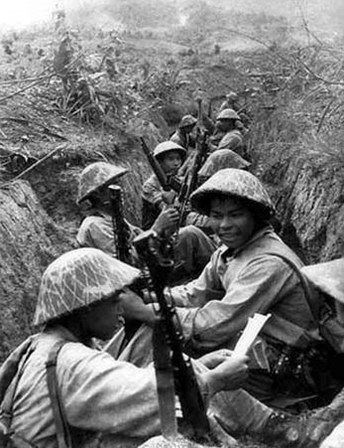
During this wave of attacks, the campaign command instructed all levels to apply measures to ensure troop strength as the rainy season had begun. The proposed policy was: "The daily life of the soldiers in the trenches must be normalized"34. Troops were organized in the bunkers into three-person cells, digging wells down inside the trench system. Each squad had to have one well and enough water for washing. Every week, each person bathed one to two times. Fortifications were dug deeper and widened. The excavated earth was piled up to make the fortifications thicker and firmer. The floors of the three-person bunkers and squad bunkers were paved with wood and bamboo. The ceilings and four walls of the bunkers were lined with parachute cloth, and additionally decorated with pictures cut from illustrated magazines and wild flowers arranged in brass artillery shell casings. Difficult-to-navigate trenches were repaired; steep slopes were fitted with steps and handrails, and narrow sections were widened for easier movement. Outside the bunkers, a general cleanup was conducted and additional drainage ditches were dug. Old latrines and urinals were filled in, and new ones with tight lids were dug. Garbage in the trenches was swept clean34.
Trong đợt tấn công này, chỉ huy chiến dịch chỉ thị cho các cấp phải áp dụng các biện pháp bảo đảm quân số khi mùa mưa đã bắt đầu. Chủ trương đề ra là “Phải bình thường hóa sinh hoạt của bộ đội trong chiến hào”34. Bộ đội được tổ chức ở hầm theo tổ ba người, đào giếng ở dưới hầm hào. Mỗi tiểu đội phải có một giếng, nước rửa đủ. Hàng tuần, mỗi người được tắm từ một đến hai lần. Công sự được đào sâu, mở rộng thêm. Đất moi lên, đắp cho công sự thêm dày, thêm vững. Nền hầm của tổ 3 người, hầm tiểu đội được lát gỗ, lát tre. Trần và bốn mặt hầm được nẹp vải dù, trang trí thêm những bức tranh cắt từ họa báo những bông hoa rừng cắm vào đui đạn đồng.Các đường hào khó đi được sửa lại, dốc thì có bậc lên xuống có tay vịn, chỗ hẹp được mở rộng, đi lại dễ dàng. Ngoài hầm được tổng vệ sinh đào thêm rãnh thoát nước. Các hố tiêu, hố tiểu cũ được lấp đi, đào hố mới, có nắp đậy kín. Rác rưởi trống hào quét sạch34.
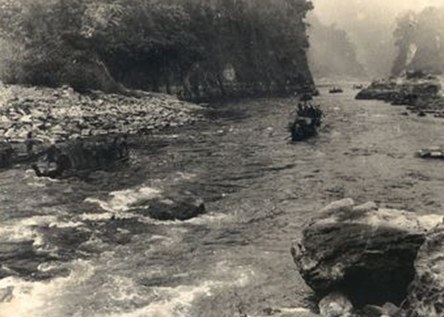
Previously, the cooks were positioned in the rear, and supply routes were difficult. The troops had to eat rice balls and cold food, with insufficient soup and a lack of drinking water. Due to the initiative of comrade Xuân Yến, the "Hoàng Cầm" stove was dug nearly 2 meters deep, 3 meters wide, with a lid 1.5 meters thick. The chimney was routed in a zigzag, folded path dug into the trench wall, using wet earth to completely seal the smoke duct and conceal the smoke and fire. As a result, the troops were able to eat two delicious meals of hot rice, hot soup, and boiled water... maintain dental hygiene, take turns going to the rear to bathe and wash clothes, prevent epidemics, soak their feet in saltwater in nylon-lined pits... and there were trenches and bunkers for logistics warehouses to protect against dampness.
Trước đây, anh nuôi ở phía sau, đường tiếp tế khó khăn. Bộ đội phải ăn cơm nắm, thức ăn nguội, canh không đủ, nước uống thiếu. Do sáng kiến của đồng chí Xuân Yến, bếp “Hoàng Cầm” đào sâu gần 2 mét, rộng 3 mét, nắp dày 1 mét rưỡi. Ống khói đi ngoằn nghèo gấp khúc, đào vào thành hào, lấy đất ướt trát kín thành ống dẫn khói, che kín khói lửa. Nhờ vậy, bộ đội được ăn hai bữa cơm nóng, canh nóng, nước chín ngon lành.. vệ sinh răng miệng, thay nhau về sau tắm giặt, phòng dịch bệnh, ngâm chân nước muối dưới hố lót ni lông... có hầm hào cho kho hậu cần chống ẩm ướt.
The French army had known the horrific historical experience of "trench warfare" during the First World War in Europe, where more people died of disease and lice than of bombs and bullets; however, they failed in organizing daily life at Điện Biên Phủ. Their fortifications, built to serve short-term combat during the dry season, were not perfected for a battle that dragged on into the rainy season. Poor discipline and a weak fighting spirit led to a disorganized way of living among the soldiers, as well as groups of deserters living in hiding on the spot, who were called the "rats of the Nậm Rốm".
Quân đội Pháp đã từng biết kinh nghiệm khủng khiếp trong lịch sử của “cuộc chiến tranh hầm hào” trong chiến tranh Thế giới thứ nhất ở châu Âu với số người chết vì dịch bệnh và chấy rận nhiều hơn vì bom đạn, tuy nhiên họ đã thất bại trong việc tổ chức cuộc sống ở Điện Biên Phủ. Công sự của họ được xây dựng nhằm phục vụ chiến đấu trong thời gian ngắn mùa khô đã không được hoàn chỉnh cho cuộc chiến kéo dài sang cả mùa mưa. Kỷ luật kém và tinh thần chiến đấu bạc nhược đã đãn đến cách sống vô tổ chức của binh sỹ và cả các nhóm bỏ ngũ tại chỗ sống chui nhủi được gọi là “những con chuột Nậm Rốm”.
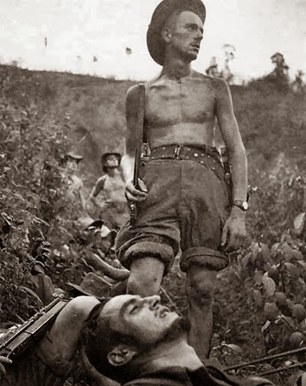
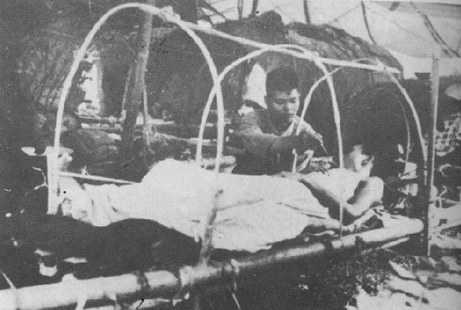
The sniper tactics of the Vietnamese troops and miscalculations regarding casualty evacuation caused French wounded to pile up in the fortifications, and the combat bases became "living hells". Flies and rats were everywhere, the wounded were crammed onto three-tier beds, six people in a small bunker, with blood and pus dripping down onto those lying below. Garbage and waste were buried right in the tunnels, floating up to the surface when it rained24. Wounded soldiers in bandages, ulcerated, a pungent stench, indiscriminate defecation, urination, and burial of the dead, fighting over food supply parachutes, and fetching drinking water from the river proved the failure in the logistical war.
Chiến thuật bắn tỉa của bộ đội Việt Nam và tính toán sai lầm về công tác chuyển thương làm cho thương binh quân Pháp dồn ứ trong công sự, các căn cứ chiến đấu trở thành “địa ngục sinh hoạt”. Ruồi nhặng và chuột khắp nơi, thương binh chen chúc trên giường ba tầng, sáu người trong một căn hầm nhỏ, máu mủ chảy xuống những người nằm bên dưới. Rác rưởi, chất thải chôn ngay trong đường hầm, khi trời mưa lại lềnh bềnh nổi lên24. Binh lính bị thương băng bó, lở loét, mùi hôi thối nồng nặc, ỉa đái, chôn cất người chết bừa bãi, tranh cướp dù tiếp tế thực phẩm, lấy nước uống dưới sông chứng tỏ sự thất bại trong cuộc chiến hậu cần.
In early April 1954, the fiercest battle in the Central sector took place on hill A1; the Vietnam People's Army threw its 2 most elite regiments into this area, but after 4 days of fierce contestation, they were still pushed back by the enemy. The troops suffered heavy casualties due to artillery and French counterattacks. Because the encirclement had tightened, the two sides wrestled with firepower on exposed terrain out in the open field. Vietnam's meager supply of 150mm artillery shells (only 3600 rounds provided as aid by China, while the majority were 11000 rounds captured from the French in the Border campaign) was now depleted. The contested targets were concentrated, so despite heavy losses, the French army was able to use parachute resupply more effectively. Their depleted troop strength and equipment were quickly replenished every night24. With both sides deploying troops on the open field, the French army could maximize its advantage in artillery and air power, while the Vietnam People's Army, stationed in trenches, no longer possessed the advantage of secrecy and mobility. The French forces still had nearly ten thousand soldiers and nearly thirty interconnected strongpoints.
Đầu tháng 4 năm 1954, trận chiến đấu gay go nhất trong khu Trung tâm diễn ra trên đồi A 1, quân đội Nhân Dân Việt Nam đã tung vào đây 2 trung đoàn thiện chiến nhất nhưng sau 4 ngày dành dật quyết liệt vẫn bị địch đẩy lùi. Bộ đội bị thương vong nặng do pháo và quân Pháp phản kích. Do vòng vây đã thu hẹp, hai bên quần nhau bằng hỏa lực trên địa bàn lộ liễu phơi ra giữa cánh đồng. Số đạn pháo 150mm ít ỏi của Việt Nam (chỉ có 3600 viên do Trung Quốc viện trợ, còn chủ yếu là 11000 viên thu của Pháp trong chiến dịch Biên Giới) nay đã cạn. Mục tiêu giành dật đã tập trung lại, nên dù mất mát nhiều, nhưng quân Pháp có thể sử dụng hiệu quả hơn tiếp tế qua thả dù. Quân số và khí tài hao hụt của họ nhanh chóng được bù đắp hàng đêm24. Hai bên dàn quân trên cánh đồng trống trải, quân Pháp có thể phát huy được lợi thế về pháo binh và không quân, Quân đội Nhân Dân Việt Nam đóng trong hầm hào lúc này không còn lợi thế về bí mật và cơ động. Lực lượng Pháp vẫn còn gần một vạn lính và gần ba chục cứ điểm liên hoàn.
April was when the rainy season had arrived, and the logistical contest between the two sides had become very fierce. The French army faced difficulties in replenishing troop numbers and especially in maintaining their aerial resupply capability. Conversely, they could maintain a high intensity of aerial bombardment. The Vietnamese side faced difficulties both in maintaining the speed of resupply for the front with increasingly high demands under the conditions of rain-damaged roads and enemy bombing, as well as in concentrating goods and replenishing troops.
Tháng 4 là lúc mùa mưa đã đến, cuộc đọ sức hậu cần của cả hai phía đã trở nên rất gay go. Phía quân Pháp gặp khó khăn về bổ xung quân số và nhất là khó duy trì khả năng tiếp tế hàng không. Ngược lại, có thể duy trì cường độ đánh phá bằng không quân ở mức cao. Phía Việt Nam gặp khó khăn cả trong việc duy trì tốc độ tiếp tế cho mặt trận với nhu cầu ngày càng cao trong điều kiện đường xá bị mưa và bị máy bay địch ném bom vừa cả trong việc tập trung nguồn hàng, bổ xung bộ đội.
The heavily bombed road sections, when hit by rain, turned into muddy quagmires tens of kilometers long. More and more trucks became bogged down. The rear areas all did not have much food. Supplying rice was very difficult, and food rations for the troops had to be calculated day by day. If there was a disruption on any day, there would be hunger. The General Staff had to keep a logbook to track the daily volume of logistics transport. In the command bunker of the Commander-in-Chief hung a chart detailing rice transport to the front, updating information on the rice delivered to the warehouse the previous night24. The worry of the Front's Director of Supply from the beginning of the campaign was becoming a reality.
Các cung đường bị đánh bom nát khi gặp mưa trở thành những bãi sình lầy dài hàng chục km. Xe tải sa lầy ngày càng nhiều. Các vùng hậu phương đều không có nhiều lương thực. Cung cấp gạo rất khó khăn, lương ăn cho bộ đội phải tính từng ngày. Nếu đứt ngày nào là đói. Bộ Tham mưu phải làm một cuốn sổ theo dõi lượng vận chuyển hàng hậu cần hàng ngày. Trong hầm chỉ huy của Tổng tư lệnh treo một biểu đồ vận chuyển gạo ra mặt trận và cập nhất thông tin gạo nhập về kho đêm trước24. Mối lo của Chủ nhiệm cung cấp mặt trận từ đầu chiến dịch đang trở thành hiện thực.
After a wave of attacks, the Vietnamese troops again had to halt to wait for ammunition and rice from the rear to replenish for the new battle. Artillery shells transported from China could not arrive as aid in time within 1 month; there were only 400 shells captured from the French in Central Laos, and transporting them to the destination would also take many days. Troop strength also became deficient. Heavy casualties among both troops and commanding officers had to be replaced by recruits with little combat experience; this situation caused the intensity of the attacks to gradually slow down. While both sides were exhausted, whoever ran out of breath first would lose. Therefore, the Vietnamese Command sought to apply a new method of fighting aimed at saving the consumption of ammunition and lives, while simultaneously pushing the enemy army into a desperate situation due to a lack of resupply earlier than their own forces.
Sau một đợt tấn công, bộ đội Việt Nam lại phải ngừng lại chờ đạn, gạo từ hậu phương lên bổ xung cho trận đánh mới. Đạn pháo từ Trung Quốc chở sang, không thể viện trợ kịp trong vòng 1 tháng, chỉ còn 400 viên đạn thu được của Pháp ở Trung Lào, chuyển đến nơi cũng phải mất nhiều ngày. Binh lực cũng trở nên thiếu hụt. Bộ đội và cả cán bộ chỉ huy thương vong nhiều phải bổ xung bằng tân binh ít kinh nghiệm chiến đấu tình hình trên khiến cường độ tấn công chậm lại dần. Trong khi cả hai bên đều kiệt sức, ai hụt hơi trước sẽ thua. Bởi vậy Bộ chỉ huy Việt Nam cố gắng áp dụng cách đánh mới nhằm tiết kiệm tiêu hao đạn dược và sinh mạng mà lại đẩy quân địch vào thế khốn khó vì thiếu tiếp vận sớm hơn quân mình.
To create a new breakthrough for the battlefield, on April 6, the campaign command organized a meeting to review the second wave of attacks and decided to intensify the logistical war: instead of frontal assaults, they shifted to digging encroachment trenches, dividing the airfield, completely cutting off the stomach of the fortified complex, concentrating firepower to shoot down aircraft, seizing supply parachutes, and pushing the adversary into a difficult position regarding food, usable water, and ammunition. Unlike the European "trench warfare," which was primarily for defense, the trench system of the Vietnam People's Army gradually advanced, encircling and tightening the French positions.
Để tạo bước đột phá mới cho chiến trường, ngày 6 tháng 4, Ban chỉ huy chiến dịch tổ chức họp kiểm điểm đợt tấn công thứ hai quyết định đẩy mạnh cuộc chiến hậu cần: thay vì tấn công trực diện, chuyển sang đào hào lấn chiếm, chia cắt sân bay, cắt hẳn dạ dày của Tập đoàn cứ điểm, tập trung hỏa lực bắn máy bay, đoạt dù tiếp tế, đẩy đối phương vào thế khó khăn về lương thực, nước dùng và đạn dược. Khác với “cuộc chiến tranh hầm hào” châu Âu chủ yếu để phòng ngự, hệ thống giao thông hào của Quân đội Nhân dân Việt Nam tiến dần, bao vây và siết chặt các vị trí của Pháp.
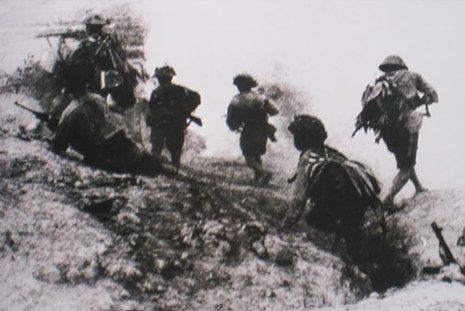
The trench line, about over 100 km long, consisted of two levels: the perimeter road (bottom 1.2 meters wide) wrapping around the entire central sub-sector to maneuver artillery, transport the wounded, and mobilize troops; and the trenches running from the units' troop quartering positions (with a depth of 1.7 meters and a bottom width of 0.5 meters) out from the jungle into the open field, intersecting the main trench axis, protecting the troops as they advanced close to the enemy. Tens of thousands of troops labored strenuously from 14 to 18 hours each day under bombs and artillery. The encroaching trenches advanced right up to the French army positions, cutting across the airfield, reaching the very bases of the blockhouses, and shrinking the control area of the French army24.
Tuyến chiến hào dài khoảng hơn 100 km gồm hai cấp: đường vành đai (đáy rộng 1,2 mét) vòng bao quanh toàn bộ phân khu trung tâm để cơ động pháo, vận chuyển thương binh, điều động bộ đội và các đường hào chạy từ những vị trí trú quân của đơn vị (có chiều sâu 1,7 mét, đáy rộng 0,5 mét) từ trong rừng đổ ra cánh đồng cắt ngang đường hào trục, bảo vệ bộ đội tiến vào cận địch. Hàng vạn bộ đội lao động cật lực từ 14 đến 18 tiếng mỗi ngày dưới bom pháo. Chiến hào vây lấn vào sát vị trí quân Pháp, cắt ngang sân bay, đến tận chân lô cốt, thu hẹp khu vực kiểm soát của quân Pháp24.
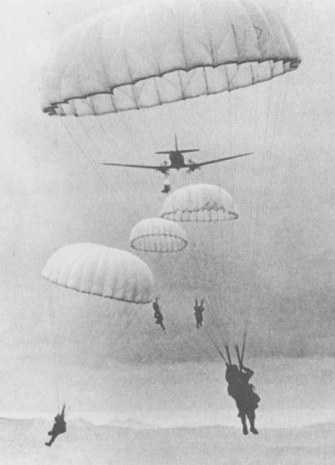
As the encirclement shrank, resupply and reinforcement became extremely difficult. The parachute drop altitude had to decrease from 2400 down to 1200 ft. But anti-aircraft firepower became increasingly concentrated, posing an ever-increasing danger to the aircraft. On April 26 alone, 50 aircraft were hit by gunfire in the skies over Điện Biên Phủ and 3 were shot down, including one B-26 Invader and two F6F Hellcats of the 11th Fleet, flown by American pilots. According to data from the Ministry of the Air Force and Seaplanes of the French Army, losses at the Điện Biên Phủ front included 36 aircraft destroyed, 150 aircraft hit by anti-aircraft fire, and 79 personnel killed and missing1.
Vòng vây thu hẹp, tiếp tế và tiếp viện trở nên cực kỳ khó khăn. Độ cao thả dù phải giảm từ 2400 xuống còn ft 1200 ft. Nhưng hoả lực phòng không ngày càng tập trung, lại gây nguy hiểm ngày càng tăng cho máy bay. Riêng trong ngày 26 tháng 4, 50 máy bay trúng đạn trên bầu trời Điện Biên Phủ và 3 chiếc bị bắn hạ, trong đó có một máy bay B-26 Invader và hai chiếc F6F Hellcat của hạm đội 11, do phi công Mỹ lái. Theo số liệu của Bộ Không quân và thủy phi cơ Quân đội Pháp, thiệt hại tại mặt trận ĐBP gồm 36 máy bay bị phá hủy, 150 máy bay bị trúng đạn phòng không, 79 người bị giết và mất tích1
Because of heavy losses, from April 27, many daytime aircraft had to drop parachutes at an altitude of 8000 ft using delayed-opening parachutes, and tried to use C-119 aircraft to drop parachutes at night at an altitude of 2000 or 4000 ft in order to maintain safety for the pilots. Consequently, the supplies dropped became increasingly scarce and the vast majority fell into the hands of the Vietnamese army. On average during the campaign, the volume of airdrops did not exceed 117 tons a day, while the reinforcement requirement had to be 250 tons/day32.
Vì thiệt hại nặng, từ ngày 27 tháng 4, nhiều máy bay ban ngày phải thả dù ở độ cao 8000 ft bằng dù mở chậm và cố dùng máy bay C-119 thả dù ban đêm ở độ cao 2000 or 4000 ft nhằm giữ an toàn cho phi công. Vì thế hàng thả xuống ngày càng ít mà phần lớn rơi vào tay quân Việt Nam. Trung bình trong chiến dịch, khối lượng thả dù không vượt quá 117 tấn một ngày trong khi yêu cầu tiếp viện phải là 250 tấn/ngày32.
A regiment of the Vietnam People's Army in one week captured 776 parachutes with ample ammunition, rice, canned food, milk, kerosene... The French had to use about 30 Dakota flights to transport this volume of goods up. The total number of artillery shells captured was over 5,500, supplying enough for 1/3 of the ammunition depot of the Vietnam People's Army. The book "War Diary" by Jean Pouget noted: "Up to 50% of the cargo packages fell outside the drop zone. On April 1, more than half of the dropped goods fell outside the positions. On April 6, over ten 75mm recoilless rifles were dropped into Điện Biên, the French soldiers recovered only two. On April 9, out of a total of 195 tons of resupply dropped, only... 6 tons were recovered. On April 13, American C-119 aircraft 'dumped all the 105mm artillery shells onto the Việt Minh positions'. On April 18, over 30 tons of goods 'strayed' into the Việt Minh positions. On April 27, up to 70% of the cargo parachutes strayed from their targets. On May 5, almost all the goods dropped by C-119s fell into the Việt Minh positions."
Một trung đoàn Quân đội Nhân dân Việt Nam trong một tuần đã thu được 776 dù với đủ cả đạn, gạo, đồ hộp, sữa, dầu hỏa... Số hàng này Pháp đã phải dùng khoảng 30 chuyến Dacota để chuyên chở lên. Tổng số đạn pháo thu được hơn 5.500 viên, cung cấp đủ 1/3 kho đạn của quân đội nhân dân Việt Nam. Cuốn “Nhật ký chiến sự” của Giăng Pu-giê ghi nhận: “Có tới 50% kiện hàng rơi ngoài bãi thả. Ngày 1-4, hơn một nửa số hàng thả rơi ngoài vị trí. Ngày 6-4, hơn mười khẩu pháo không giật 75mm thả xuống Điện Biên, lính Pháp chỉ thu được hai khẩu. Ngày 9-4, trong tổng số 195 tấn hàng tiếp tế đã thả chỉ thu được... 6 tấn. Ngày 13-4, máy bay C-119 Mỹ “trút toàn bộ số đạn pháo 105mm xuống trận địa Việt Minh”. Ngày 18-4, hơn 30 tấn hàng “rơi lạc” sang trận địa Việt Minh. Ngày 27-4, có tới 70% số dù hàng rơi lạc mục tiêu. Ngày 5-5, hầu hết số hàng do C-119 thả xuống đều rơi xuống trận địa Việt Minh.”
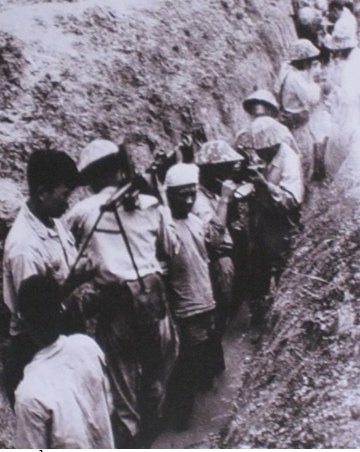
From mid-April, the encroaching trenches dug by the Vietnamese troops closely severed even the supply lines for drinking water and food rations into the Huguette 1 and 6 bases. The protective bases fell one after another, and the airfield was captured. Only 1 out of 10 tanks remained operational, of the 4 155mm artillery pieces only 1 remained usable, and of the 24 105mm artillery pieces only 24 remained. On April 10, de Castries had to issue circular 239/PC stating: "...The requirements for ammunition resupply are forced to be reduced to the absolute minimum daily requirements for food... The commanders of the strongpoints are responsible for recovery within their scope... Each strongpoint must detail a platoon with a commanding officer responsible for maintaining order during the recovery. Anyone caught red-handed stealing will be shot immediately, without any need for a trial. This order must be strictly executed immediately..."34.
Từ giữa tháng tư, chiến hào bộ đội Việt Nam đào lấn sát cắt cả đường tiếp nước uống, lương ăn vào căn cứ Huguette 1 và 6. Các căn cứ bảo vệ lần lượt thất thủ, sân bay bị chiếm. Chỉ còn 1 trong 10 xe tăng hoạt động được, 4 khẩu pháo 155mm chỉ còn 1 sử dụng được, 24 khẩu 105mm chỉ còn lại 24 khẩu. Ngày 10 tháng tư, Đờ Cát phải ra thông tư 239/PC nói rằng: “…Những nhu cầu về tiếp tế đạn dược bắt buộc phải rút xuống đến mức tối thiểu yêu cầu hàng ngày về lương thực… Các ông chỉ huy các cứ điểm chịu trách nhiệm về việc thu hồi trong phạm vi của mình… Mỗi cứ điểm phải cử ra một trung đội có một sĩ quan chỉ huy chịu trách nhiệm giữ trật tự về việc thu hồi. Kẻ nào bị bắt quả tang ăn cướp sẽ bị bắn ngay, không cần xét xử gì cả. Lệnh này phải được thi hành một cách nghiêm ngặt ngay lập tức…”34.
The US and France discussed plans to strike the rear, uprooting the logistical foundations of the Vietnam People's Army to rescue Điện Biên Phủ; the plans considered included using 3 strategic air force divisions for bombardment or using 8 infantry divisions, and even the use of 3 atomic bombs was brought up for study in order to strike directly at the adversary's rear and sever supply lines. While the above plans never became a reality, right in the rear of the French army, the people actively contributed to the Government of the Democratic Republic of Vietnam. Navarre wrote: "In the areas controlled by our troops, they still have a secret authority, defeating our authority and allowing them to recruit reinforcements there; they transport out an abundance of the rice, salt, and fabric that they need, they purchase there the bicycles that have a great effect in resupply work, the necessary medicines for their medical branch, the battery boxes wired to mines to kill our soldiers..."
Mỹ và Pháp bàn nhau các phương án đánh vào hậu phương, triệt phá gốc rễ hậu cần của quân đội Nhân dân Việt Nam để cứu nguy cho Điện Biên Phủ, các phương án được tính đến bao gồm cả việc sử dụng 3 sư đoàn không quân chiến lược oanh tạc hay sử dụng 8 sư đoàn bộ binh, thậm trí việc sử dụng 3 quả bom nguyên tử cũng được đưa ra nghiên cứu nhằm đánh thẳng vào hậu phương đối phương, triệt đường tiếp vận. Trong khi những kế hoạch trên không bao giờ thành hiện thực thì ngay tại hậu phương của quân Pháp, nhân dân tích cực đóng góp cho chính phủ Việt Nam Dân chủ Cộng hòa. Nava viết: “Trong vùng quân ta kiểm soát thì họ vẫn có một uy quyền bí mật, đánh bại được uy quyền của ta và cho phép họ thu được một quân bổ sung ở đó, họ chở ra rất nhiều gạo, muối vải mà họ cần dùng, họ mua sắm ở đó những chiếc xe đạp có tác dụng lớn trong công việc tiếp tế, các loại thuốc men cần thiết cho ngành y tế của họ, những hòm pin điện lắp vào mìn để giết hại binh sĩ chúng ta...”
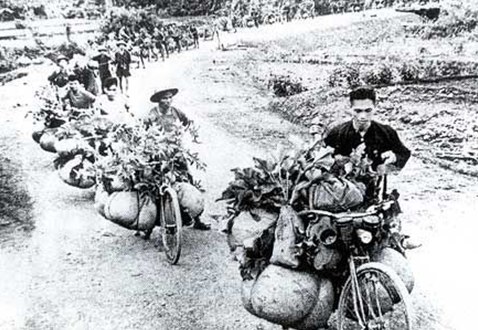
Right when logistics on the battlefield were very difficult, an additional one hundred thousand civilian porters, from the fertile plains of Thanh province to the remote hamlets of the Northwest, from the distant free zone of Cao Lạng to the midland plains still under temporary occupation, eagerly set off to continue a new wave of service. Coming out from Zone IV, coming back from Nậm Cúm Village, crossing over from Việt Bắc, converging on a single point: Điện Biên Phủ. An endless stream of civilian porters, pack bicycles, and transport vehicles of all kinds, in just a short time, poured over 4,000 tons of rice, and over 300 tons of chickens, ducks, pigs, and cows... onto the frontlines.
Đúng vào lúc hậu cần trên chiến trường rất khó khăn thì thêm mười vạn dân công, từ vùng đồng bằng trù phú của tỉnh Thanh đến các bản mường hẻo lánh của Tây Bắc, từ vùng tự do Cao Lạng xa xôi đến vùng đồng bằng trung du còn bị tạm chiến, nô nức lên đường, tiếp tục đợt phục vụ mới. Từ Khu IV ra, từ Bản Nậm Cúm về, từ Việt Bắc sang, hướng về một điểm: Điện Biên Phủ. Một dòng vô tận dân công, xe đạp thồ, xe vận tải các loại, chỉ trong một thời gian ngắn đã rót ra tiền tuyến trên 4.000 tấn gạo, trên 300 tấn gà, vịt, lợn, bò…
During this mobilization wave, the people of Thanh Hóa province, although going hungry due to difficult harvests, still devoted themselves wholeheartedly to the frontlines. The number of people and resources that Thanh province poured out to serve the frontlines accounted for 80% of the total civilian porters, 80% of the pack bicycles, 50% of the total rice, and 40% of the total food... The compatriots in the Northwest, with a poor economy and further pillaged by the enemy, also contributed every basket of paddy and every chicken to feed the troops. And finally, 400 shells from Laos traversed thousands of kilometers to the front, along with 5000 shells captured from enemy airdrops, reinforcing the firepower just in time for the final wave of assaults. From about mid-April, thanks to the wholehearted support of the people in the rear, the ammunition and rice depots gradually filled up. The scorching days of logistical resupply had passed52434.
Trong đợt huy động này, tỉnh Thanh Hóa nhân dân đang đói ăn vì mùa màng khó khăn vẫn hết lòng vì tiền tuyến. Số người và của mà tỉnh Thanh dốc ra phục vụ tiền tuyến chiếm 80% tổng số dân công, 80% xe đạp thồ, 50% tổng số gạo, 40% tổng số thực phẩm…Đồng bào Tây Bắc, kinh tế nghèo nàn lại bị địch vơ vét cũng góp từng thúng thóc, từng con gà để nuôi bộ đội. Và cuối cùng 400 viên đạn từ Lào đã vượt hàng ngàn km tới mặt trận cùng với 5000 viên thu được từ địch thả dù, củng cố kịp hỏa lực cho đợt công kích cuối cùng.Từ khoảng trung tuần tháng tư, nhờ sự chi viện hết lòng của nhân dân hậu phương, kho đạn, kho gạo dần dần đầy lên. Những ngày nóng bỏng của công tác hậu cần tiếp tế đã trôi qua52434.