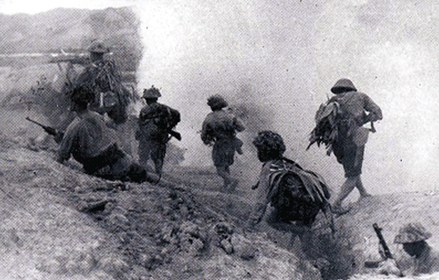
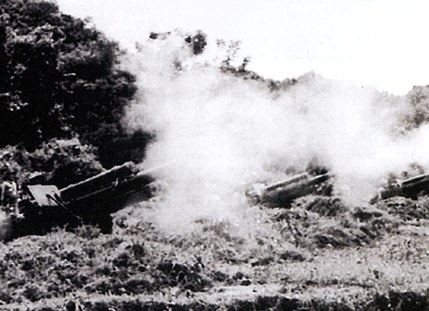
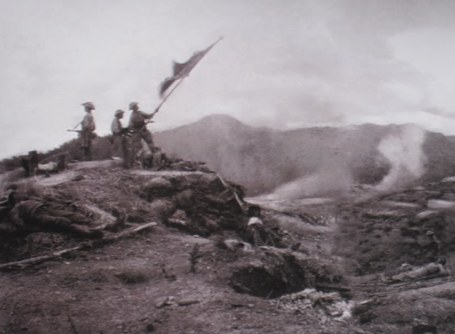
At noon on May 1, 1954, artillery of all calibers fired fiercely, launching the third wave of the offensive. For the first time, Soviet H6 rockets entered the battle; the artillery grouping at Hồng Cúm was paralyzed, logistics warehouses containing 3,000 artillery shells exploded, and food and provision depots burst into flames... Following this, the strongpoints: 505, 505A, 506, 507, 508, and 310F in the east, 311A and 311B in the west, and finally Sector C of Hồng Cúm were captured.
Trưa ngày 1 tháng 5 năm 1954, pháo các cỡ bắn mãnh liệt mở đầu đợt tiến công thứ 3. Lần đầu tiên hỏa tiễn H6 của Liên Xô xuất trận, cụm pháo binh ở Hồng Cúm bị tê liệt, các kho hậu cần chứa 3.000 viên đạn pháo nổ tung, kho lương thực, thực phẩm bốc cháy... Tiếp theo đó, các cứ điểm: 505, 505A, 506, 507, 508, 310F ở phía đông, 311A, 311B ở phía tây và cuối cùng là khu C Hồng Cúm bị chiếm lĩnh.
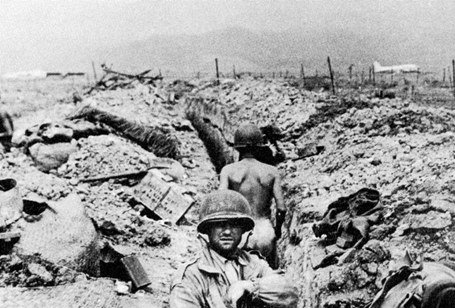
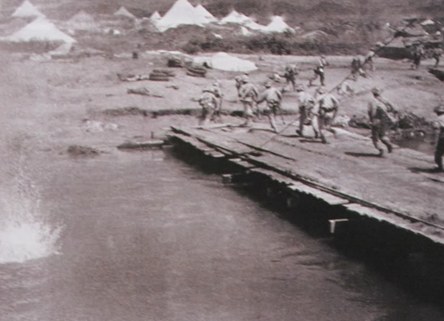
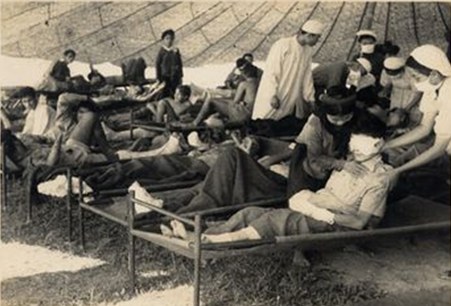
All the sacrifices and efforts of the Vietnam People's Army had yielded the ultimate result. At exactly 5:30 p.m. on May 7, 1954, the remaining nearly 11,000 French troops at Điện Biên Phủ laid down their weapons and surrendered. The logistics command board continued to secure food for an additional 10000 prisoners of war and provide medical treatment for thousands of enemy wounded.
Mọi hy sinh, cố gắng của quân đội nhân dân Việt Nam đã đem lại kết quả cuối cùng. Đúng 5 giờ 30 chiều ngày 7 tháng 5 năm 1954, gần 11.000 quân Pháp còn lại tại Điện Biên Phủ đã hạ vũ khí đầu hàng. Ban chỉ huy hậu cần tiếp tục lo cái ăn cho thêm 10000 tù binh và cứu chữa cho hàng ngàn thương binh địch.
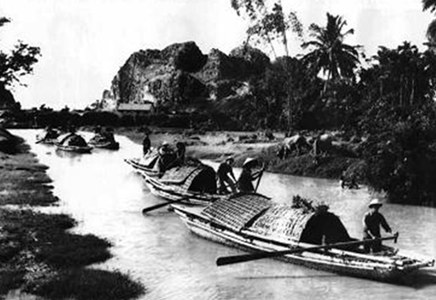
The complete victory of the Điện Biên Phủ campaign gloriously concluded our people's 1953-1954 Winter-Spring strategic offensive. This immense and great victory led to the signing of the Geneva Accords, ending the 9-year resistance war against the French colonialists. Contributing to the glorious victory of the nation, the cadres and soldiers of the Logistics Branch of the Vietnam People's Army secured the campaign: compared to the initial plan to strike swiftly and win swiftly, the actual implementation over the entire campaign saw food and provisions increase threefold, and weapons and ammunition fourfold. The transport army moved a tremendous volume of material and technical supplies to the front: 25,056 tons of rice (7,310 tons sourced locally), 965 tons of meat (389 tons sourced locally), 859 tons of dry food, and 800 tons of fresh vegetables procured from the villages. Weapons transported up amounted to 1,450 tons (consisting of 1000 tons of artillery shells, rockets, and mortars of all types, and 450 tons of infantry ammunition, demolition charges, mines, and grenades)14. The total food and provisions mobilized in the localities of Tây Bắc, Việt Bắc, Inter-Region 3, and Thanh Hóa reached 23,126 tons of rice, 992 tons of meat, 800 tons of vegetables, 266 tons of salt, and 917 tons of other food5. The provinces mobilized 200,000 civilian porters and Youth Volunteers to serve the campaign. Specifically, combating sabotage, upgrading roads, and opening new routes alone drew in 89,895 people (equating to 3,254,120 workdays).
Chiến dịch Điện Biên Phủ toàn thắng đã kết thúc oanh liệt cuộc tiến công chiến lược Đông Xuân 1953-1954 của nhân dân ta. Thắng lợi to lớn và vĩ đại này đưa đến việc ký kết Hiệp định Giơnever, kết thúc cuộc kháng chiến 9 năm chống thực dân Pháp. Góp phần vào thắng lợi vẻ vang của dân tộc, cán bộ, chiến sĩ Ngành Hậu cần Quân đội nhân dân Việt Nam đã bảo đảm cho chiến dịch: so với kế hoạch đánh nhanh thắng nhanh ban đầu, thực tế thực hiện trong cả chiến dịch lương thực thực phẩm tăng gấp 3 lần, vũ khí súng đạn gấp 4 lần. Đội quân vận tải chuyển lên mặt trận khối lượng lớn vật chất kỹ thuật: 25.056 tấn gạo (7.310 tấn tại chỗ), 965 tấn thịt (389 tấn tại chỗ), 859 tấn thực phẩm khô và 800 tấn rau tươi khai thác ở các bản. Vũ khí chuyển lên được 1.450 tấn (gồm 1000 tấn đạn pháo, hỏa tiễn, cối các loại và 450 tấn đạn bộ binh, bộc phá, mìn, lựu đạn)14. Tổng số lương thực, thực phẩm huy động ở các địa phương Tây Bắc, Việt Bắc, Liên khu 3, Thanh Hóa được 23.126 tấn gạo, 992 tấn thịt, 800 tấn rau, 266 tấn muối và 917 tấn thực phẩm khác5. Các tỉnh đã huy động 20 vạn dân công, thanh niên xung phong phục vụ chiến dịch. Riêng đối với việc chống phá hoại và cải tạo đường, mở đường đã thu hút 89.895 người (bằng 3.254.120 ngày công).
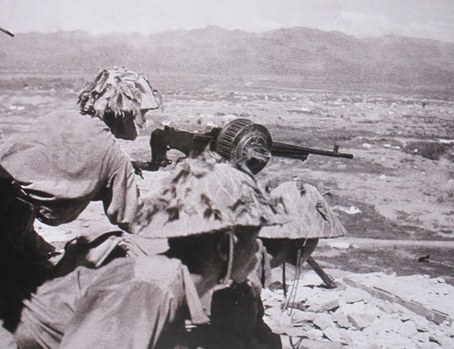
General Võ Nguyên Giáp assessed: "Never before throughout the years of the resistance war had our people contributed as much effort as during the 1953-1954 Winter-Spring to reinforce the army in fighting the enemy...". General Navarre also had to express his admiration: "One can only acknowledge the extraordinary effort of the people serving the troops and bow before the efficiency that the Vietnamese Command and Government knew how to create"1.
Đại tướng Võ Nguyên Giáp đánh giá: “Chưa bao giờ suốt mấy năm kháng chiến nhân dân ta đã đóng góp công sức nhiều như trong Đông Xuân 1953-1954 để chi viện cho quân đội đánh giặc...”. Tướng Nava cũng phải thán phục: “Người ta chỉ có thế thừa nhận nỗ lực phi thường của nhân dân phục vụ bộ đội và nghiêng mình trước hiệu quả mà Bộ Chỉ huy và Chính phủ Việt Nam đã biết cách tạo nên”1.
The logistical combat between the two sides during the Điện Biên Phủ campaign was fiercely fought, not as a contest of brute strength, but as a battle of intelligence and courage. Right from the start, both sides clearly knew each other's strengths and weaknesses and were determined to exploit them to their advantage. However, from the very first minute, the Vietnam People's Army seized the initiative, continuously creating elements of surprise for the adversary regarding combat tactics, means, determination, and bravery. The longer the battle dragged on, the more the balance of forces gradually tilted in favor of Vietnam, with no way for the French Union forces to restore the equilibrium. The righteous power of the struggle for national independence was the ultimate source of victory in the Điện Biên Phủ campaign.
Cuộc chiến đấu hậu cần giữa hai bên trong chiến dịch Điện Biên Phủ diễn ra quyết liệt không phải là một trận đấu sức mạnh mà là đấu trí thông minh và lòng dũng cảm. Ngay từ đầu, cả hai bên biết rõ về điểm mạnh, điểm yếu của nhau và quyết khai thác chúng có lợi cho mình. Tuy nhiên ngay từ phút đầu, phía quân đội Nhân dân Việt Nam đã dành thế chủ động, liên tục tạo ra các yếu tố bất ngờ cho đối phương về cách đánh, phương tiện, quyết tâm và lòng quả cảm. Cuộc chiến càng kéo dài, tương quan lực lượng càng nghiêng dần về phía Việt Nam mà không có cách nào quân đội Liên hiệp Pháp có thể cân bằng lại. Sức mạnh chính nghĩa của cuộc đấu tranh dành độc lập dân tộc chính là cội nguồn của thắng lợi trong chiến dịch Điện Biên Phủ.